


This Golfing Life - Harry Stokes
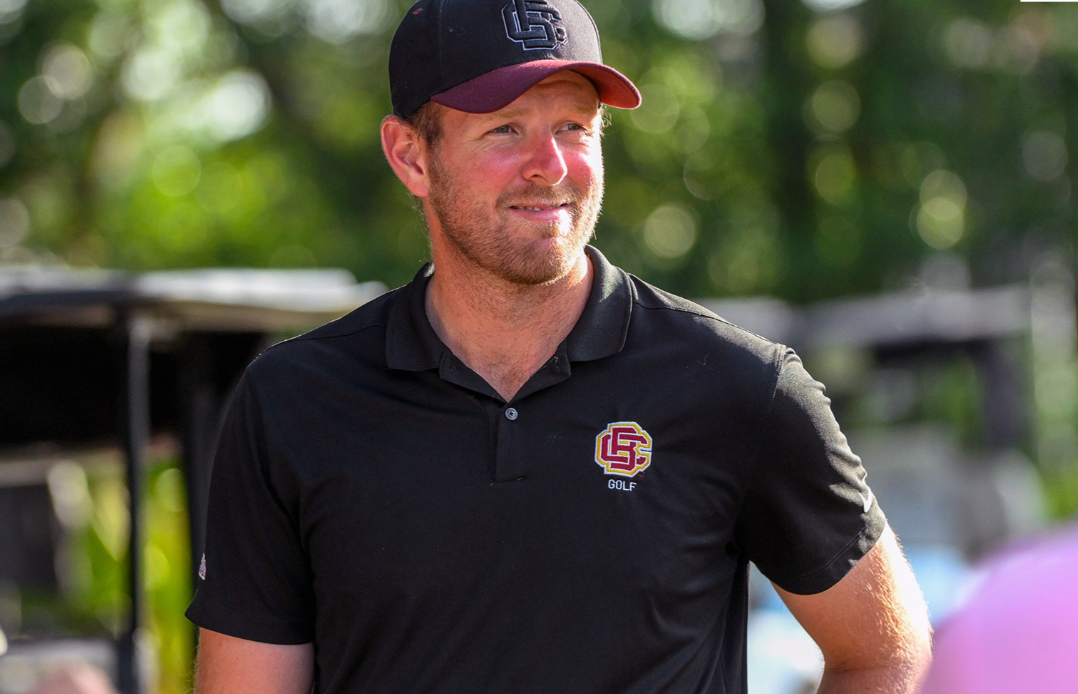
What happens when you become the coach of a Division I college golf team with no coaching experience, only two golfers, and an NCAA season that has to be completed? For Harry Stokes, the answer was to recruit a triple jumper, a cheerleader and a football team manager, none of whom had ever swung a golf club, give them a crash course in the game and somehow get them through a college golf season.
A fourth-generation golf professional from Florida, Harry had become disillusioned with the game and stepped away from the golf industry altogether when an unlikely opportunity arrived: coaching the struggling women’s golf programme at Bethune-Cookman University, a historically black university in Daytona Beach, Florida. What followed is one of the funniest — and ultimately most uplifting — stories we’ve featured on This Golfing Life.
Harry recalls the first match that took seven-and-a-half hours to complete, a player taking something over 20 shots on a hole, another becoming stranded in a bunker, and Renijah Howard hitting the opposition coach’s pushchair (with her toddler in it) with her opening tee shot — before later being forced to withdraw from the Conference Championship because she had run out of golf balls.
But underneath the comedy is a remarkable story about perseverance, perspective and what sport is actually for. Harry explains how players who could barely hit a golf ball learned to celebrate tiny victories, how he became determined that Bethune-Cookman would be remembered for its attitude rather than its scores, and why getting Lauren Johnson around the SWAC Championship in four-and-a-half hours while shooting 287 for 18 holes remains one of his proudest achievements as a coach.
The experience changed Harry, too. Once a player who allowed his score to define his relationship with golf, coaching beginners gave him a completely different understanding of the game. Golf stopped being something that validated him and became something to be enjoyed, shared and used to bring people together.
He also reveals just how important that seemingly hopeless first season was: Bethune-Cookman needed the women’s team to complete its eight events to help the university maintain NCAA sports sponsorship.
And, having initially wondered whether the experience had “broken” him, Harry stayed. He began rebuilding the programme, saw Bethune-Cookman start competing again and discovered that his real ambition as a coach was about far more than producing professional golfers or winning trophies.
For Harry, success is creating a team whose players will still be friends decades from now — connected by the experience of having worked, struggled and competed together.
This is a conversation about one of the worst teams in college golf — and why being terrible at golf might have taught their coach more about the game than being good at it ever did.
Read more
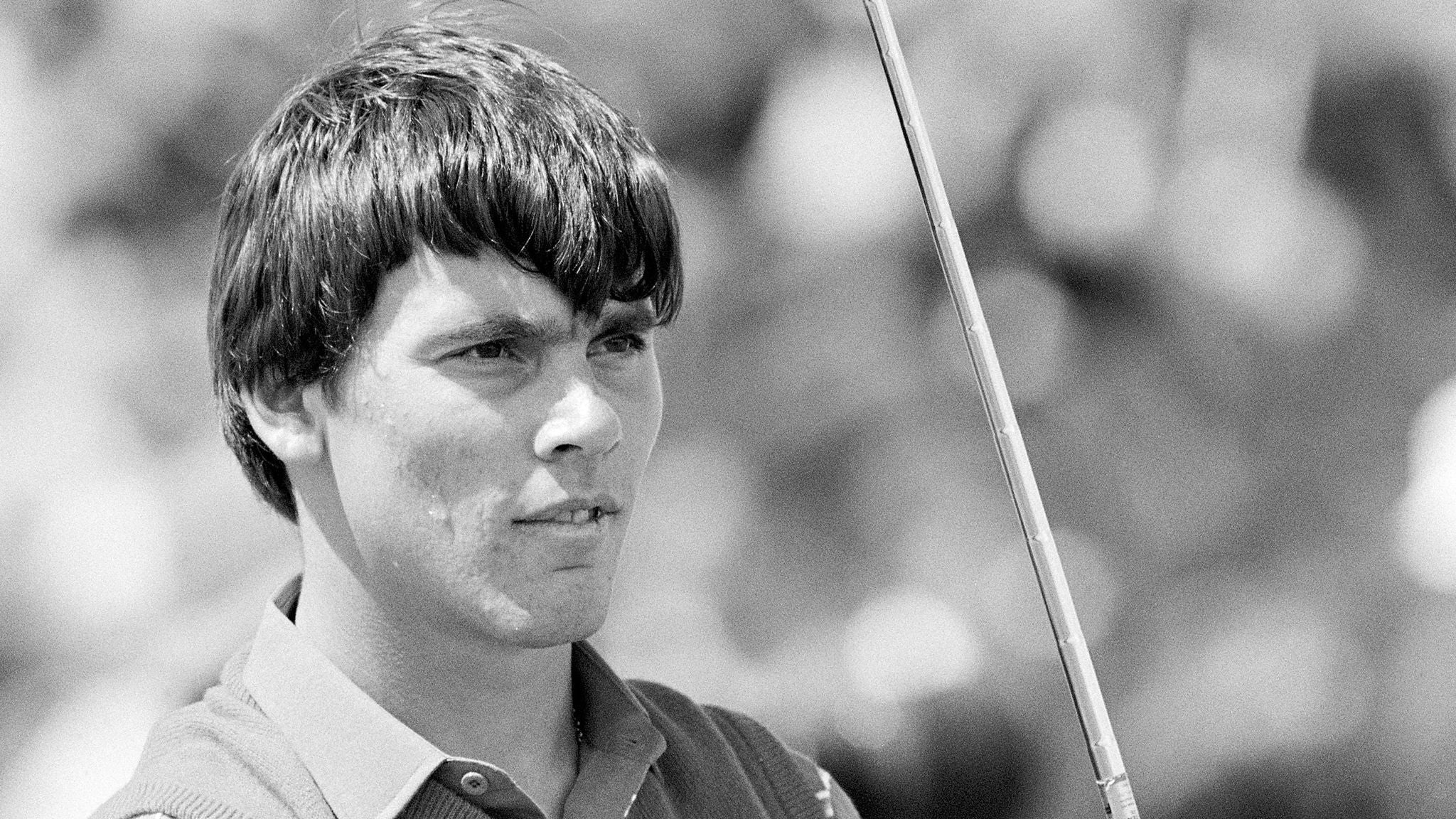
Former European Tour winner and Sky Sports Golf commentator Robert Lee joins Dan Davies for a warm, funny and deeply reflective conversation about a lifetime in the game.
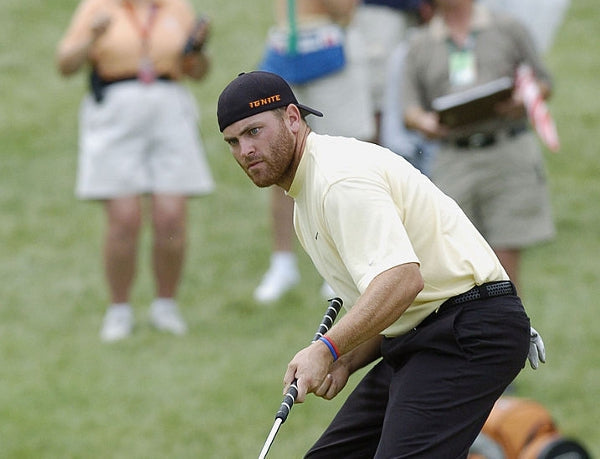
There was simply too much in our conversation with the irrepressible John E Morgan to fit into a single episode, so we split this episode of This Golfing Life into two parts - enjoy...